
A Covenant is a solemn, binding agreement (contract) between two parties; most often, we use the term to refer to those agreements between God and humanity. They establish a formal relationship with specific promises, obligations, and blessings. The night of the Last Supper, Jesus upgraded humanity’s contract:
(Luke 22:20)1NIV New International Version Translations – “In the same way, after the supper he took the cup, saying, ‘This cup is the new covenant in my blood, which is poured out for you.’”
The night before His death, Jesus establishes a new covenant through His sacrificial love, creating a lasting promise for everyone who chooses to believe. This is where humanity is given the choice of eternal life. However, like all agreements or contracts, there is some fine print. Fine print refers to the terms and conditions that few people read or understand. They are the ones who are quickly forgotten. While Jesus is promising to die so that our sins are no longer a barrier between ourselves and God, and that we can live forever, the contract, the covenant, has a significant requirement. Because we are dealing with God’s justice, we must agree to repent of our sins.
The Bible intertwines the themes of God’s justice and the call for repentance. To experience justice, it’s essential that we both turn away from sin and embrace forgiveness. In Ezekiel 18:30-32, God lovingly urges His people, saying, “Therefore, you Israelites, I will judge each of you according to your own ways… Repent! Turn away from all your offenses; then sin will not be your downfall… I take no pleasure in the death of anyone. Repent and live!” This heartfelt message emphasizes that repentance is not merely an option; it’s a vital step towards escaping judgment and discovering God’s profound mercy.
Similarly, Acts 3:19 invites us with warmth, “Repent, then, and turn to God, so that your sins may be wiped out and times of refreshing may come from the Lord.” This highlights that God’s justice inspires a sincere change of heart. Through repentance, we not only move towards restoration but also open ourselves to receiving the incredible blessings of His covenant.
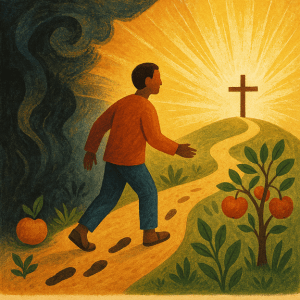
It is reasonable to ask, “What is repentance?” The Greek word for repentance, metanoia, means “a change of mind.” In the Bible, this change is not just intellectual—it’s emotional and spiritual, and leads to a new direction in life. It goes far beyond simply feeling sorry for wrongdoing. It is a decisive turning away from sin and a wholehearted turning toward God, resulting in a changed heart, mind, and life. A person can have a belief that there is life after death and that faith (belief) in Jesus is necessary to reach eternal life. The fine print says He also needs to make a difference in your life.
A truly repentant individual embraces a fresh start, leaving behind their past behaviors and attitudes. Their actions, choices, and habits clearly reflect a heartfelt commitment to living in alignment with God’s principles. Take Zacchaeus (Luke 19:1-10), for instance. After his transformation, he joyfully made amends for his wrongs and completely changed how he treated those around him! Genuine repentance is marked by sincere sorrow, not merely regret over consequences. This deep humility invites confession and a genuine desire for forgiveness from God and others. A repentant heart openly acknowledges its shortcomings and takes responsibility without making excuses. It’s a beautiful journey of growth and renewal!
Repentance opens the door to a vibrant relationship with God, one that flourishes through obedience to His Word and a commitment to righteous living. It’s more than simply feeling regret; it’s about embracing a transformative lifestyle! Choosing to follow God’s commands invites us to do good every day. This journey of repentance is ongoing and rewarding, as we continually turn away from sin and draw closer to God. With each step, we grow spiritually and bear “fruit” that beautifully reflects our changed hearts (Matthew 3:8, Galatians 5:22-23)!
A remorseful person embraces the opportunity to make amends and strengthen their relationships. This might mean offering heartfelt apologies, making restitution, or actively nurturing connections that need healing. Repentance beautifully aligns with the renewal of our minds, as Romans 12:2 highlights. When we embrace God’s truth, it transforms our thoughts, feelings, and motivations, bringing about genuine change! The excellent “fruit of repentance” shines through qualities like love, joy, peace, patience, kindness, goodness, faithfulness, gentleness, and self-control. As these qualities become more pronounced in our lives, they serve as an inspiring testament to those around us.
Repentance is described as “returning to God” (Joel 2:12-13, Isaiah 55:6-7, Ezekiel 18:30-32). While rituals like fasting and mourning express genuine remorse, true repentance involves a heartfelt transformation and a promise to follow God’s ways. Jesus and the apostles passionately urged everyone to embrace repentance (Mark 1:15; Acts 2:38), highlighting its vital link to salvation and its inseparable connection to faith in Christ.
Final Thoughts
The beautiful truth of our covenant with Christ reveals that repentance is not merely a suggestion; it’s a command! In Acts 17:30-31 , we see God calling us all to turn back to Him: “In the past God overlooked such ignorance, but now he commands all people everywhere to repent. For he has set a day when he will judge the world with justice…” This illustrates how essential repentance is to God’s divine plan. Furthermore, in Romans 2:4-5, the Apostle Paul encourages us to embrace God’s kindness, which leads us to repentance rather than stubbornness. We can hold onto our hope in Christ, knowing that His promise of salvation and eternal life is real and transformative. Solomon wisely reminds us, “Whoever conceals their sins does not prosper, but the one who confesses and renounces them finds mercy” (Proverbs 28:13). By acknowledging our shortcomings, we open ourselves to immeasurable mercy and grace. Let’s embrace this journey of repentance together with joy and optimism, knowing it leads us closer to God, His love, and His Peace!
“I consider that the chief dangers which confront the coming century will be religion without the Holy Ghost, Christianity without Christ, forgiveness without repentance, salvation without regeneration, politics without God, and heaven without hell.”
~William Booth, founder of The Salvation Army
Contemplations
- How does genuine repentance change the way you live each day?
- Ideas to Explore: Consider how your actions, choices, and habits might reflect a new commitment to God’s principles. Explore what it means to “bear fruit” that shows a transformed heart (see Galatians 5:22-23).
- In what ways can you make amends or seek reconciliation with others as part of your repentance?
- Ideas to Explore: Think about relationships that may need healing or restoration. Reflect on practical steps—such as apologies or restitution—that demonstrate a changed heart.
- What role do humility and confession play in your journey of repentance?
- Ideas to Explore: Consider how openly acknowledging your shortcomings can lead to spiritual growth and deeper relationships. How does confession invite God’s mercy and grace into your life (see Proverbs 28:13)?
- 1NIV New International Version Translations ↩︎