
Christmas is more than a date on the calendar; it is a sacred invitation to gather, remember, and celebrate the traditions that shape our faith and family. As we decorate trees, bake cookies, and gather in worship, we’re not just following customs; we’re building bridges across generations, strengthening bonds, and creating memories that echo God’s love. Each tradition, whether simple or grand, is a chance to reflect on the miracle of Christ’s birth and the hope it brings. Let’s explore how these shared rituals draw us closer to one another and to the heart of God, reminding us that every act of celebration is a living testimony to His grace.
(Isaiah 9:6)1NIV New International Version Translations – “For to us a child is born, to us a son is given, and the government will be on his shoulders. And he will be called Wonderful Counselor, Mighty God, Everlasting Father, Prince of Peace.”
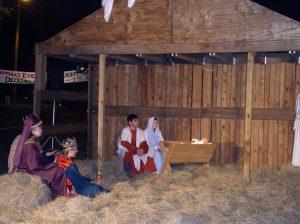
Shared rituals, such as decorating the tree, baking cookies, or attending holiday events as a family, can help build stronger relationships and foster a more profound understanding of our God. Christmas at my church always included setting up a life-size nativity scene. This structure would be prominently displayed along the road in front of the church. The youth group would volunteer for three nights before Christmas to create a living Bethlehem experience for everyone who drove by. As an adult leader, I was present one evening when a mother and her three young children were driving by and stopped to watch. She had been struggling to explain the Christmas story to her children. Upon seeing our live nativity scene, she realized the impact this experience would have on her children. After watching our youth perform that first night of Christmas, she remarked that this moment would change her children’s perspective on the holiday for the rest of their lives.
The youth at our church also participated in the early Christmas Eve service itself. During the worship service, the youngest children were invited to come to the front, where a manger scene was displayed with our youth in costumes as angels and shepherds. The newest baby in the congregation was honored to be “Baby Jesus,” while the child’s parents portrayed Mary and Joseph. Such traditions evoke vivid memories, especially for our entire congregation. Studies indicate that children can remember up to 85% of holiday traditions experienced before age 10, making these Christmas programs a powerful way to create positive memories.2https://tritotriumph.com/christmas-family-traditions/
Family celebrations and traditions can provide emotional stability, particularly during times of change or stress. They give both children and adults something to look forward to and depend on. All holiday traditions serve to share family history, cultural heritage, and values. Whether through religious observances, acts of kindness, or simply gathering for a special meal, these customs help teach children the significance of family relationships.
The role of parenting includes maintaining family traditions that help establish a sense of identity, fostering a sense of “this is who we are.” These traditions reinforce family bonds and a sense of belonging, making each member feel part of something special and unique. The Christmas season is a time associated with giving. Family traditions often involve exchanging gifts, performing acts of kindness, or volunteering, all of which teach the joy of giving and the importance of prioritizing loved ones over material possessions. Additionally, this season is an opportunity to offer comfort and emotional support, ensuring that everyone feels included and cared for.
How many of you remember the candlelight service and sharing your “light” with the person next to you? It is memories like these that form the foundation of faith—the memories that give meaning to the coming of Jesus, the light of the world. Every year, Christmas presents opportunities to add fresh chapters to your family’s story and keep the holiday season meaningful. Whether it’s as simple as baking a birthday cake decorated with “Happy Birthday Jesus,” adorning your home with your own nativity scene, or delivering cookies to the widow next door, Christmas can guide us toward the greatest gift ever given to humanity: Jesus Christ.
“In Jesus, the believer has been set free both from the guilt of sin and from the power of sin.” ~ Alistar Begg
Contemplations
- What Christmas traditions have been most meaningful to you and your family, and why?
- Ideas to Explore: Think about which rituals or customs bring you the most joy or comfort. Consider how these traditions started—were they passed down, or did you create them yourself? Reflect on how these traditions help you connect with your faith, family history, or cultural heritage.
- How can you make your Christmas traditions more inclusive or impactful for others?
- Ideas to Explore: Are there ways to involve neighbors, friends, or those who may feel left out during the holidays? Could you add acts of kindness, such as volunteering or giving to those in need, to your family’s celebrations? Consider how your traditions can reflect the message of hope and love at the heart of the Christmas season.
- What new tradition could you start this year to deepen your family’s experience of Christmas?
- Ideas to Explore: Is there a creative way to celebrate the birth of Jesus, such as a special prayer, song, or craft? Could you introduce a tradition that helps everyone focus on gratitude or giving? Consider how a new tradition might help different generations connect and share their perspectives.
- 1NIV New International Version Translations
- 2